Summer often brings later bedtimes, flexible schedules, family trips, and a welcomed break from the daily school routine. As the new school year approaches, many families find that getting back into “school mode” takes a little planning—and that’s completely normal.
For students learning online, the transition can look a little different than it does in a traditional classroom. Instead of preparing for a bus ride or classroom schedule, families may need to reset home routines, organize learning spaces, and help students get comfortable with logging in, managing assignments, and staying engaged in a virtual environment.
At California Online Public Schools (CalOPS), we understand that every student’s learning journey is unique. Here are some practical ways to help your child make a smooth transition back to school in an online learning setting.
1. Start Adjusting Sleep Schedules Early
One of the biggest challenges after summer break is getting back to a consistent sleep routine.
Because online learning still requires focus, structure, and daily participation, it’s important to help your child return to a school-friendly sleep schedule before classes begin. Instead of waiting until the night before school starts, begin shifting bedtime and wake-time about one to two weeks in advance. Adjust by 15 to 30 minutes each day until your child is waking up at a time that supports the school day.
A healthy sleep routine can improve:
- Focus and attention during live lessons or independent work
- Mood and emotional regulation
- Memory and learning
- Energy and motivation throughout the day
Encourage your child to avoid screens for at least an hour before bedtime and create a calming nighttime routine with reading, stretching, or other quiet activities. Since online students spend so much time on devices during the day, building healthy screen habits at night can make a big difference.
2. Rebuild Daily Routine
Children thrive when they know what to expect. Reintroducing structure before school begins can make the transition feel much less overwhelming—especially in an online learning environment, where students often need to manage more of their days independently.
Practice daily habits such as:
- Waking up at a consistent time
- Getting dressed before the school day, even when learning from home
- Eating breakfast before logging in
- Reviewing the day’s schedule
- Setting aside time for focused learning
- Taking movement breaks
- Maintaining regular meal times
For online learners, this is also a great opportunity to practice the routines that support virtual school success, such as logging into learning platforms, checking messages from teachers, and organizing materials for the day.
3. Talk About the New School Year
Many students experience a mix of excitement and nervousness before returning to school. Open conversations can help children process these emotions and feel supported.
This is especially true for online learners, who may be adjusting to new teachers, new platforms, new expectations, or a different level of independence. Ask questions like:
- What are you looking forward to this year?
- Is there anything you’re nervous about?
- What part of online school do you feel confident about?
- What goals would you like to accomplish?
Listening without immediately trying to solve every concern can help children feel heard and understood. If your child is worried about technology, time management, or staying connected with classmates and teachers, reassure them that those skills can be learned over time.
4. Ease Back Into Learning
Keep your child’s academic skills active by incorporating learning into everyday activities.
Some simple ideas include:
- Reading together each day
- Visiting your local library or exploring digital library resources
- Practicing math during cooking, shopping, or budgeting
- Writing in a journal or responding to daily prompt
- Exploring educational games and activities
- Reviewing login steps, passwords, and school platforms before the first day
The goal isn’t to recreate school during summer—it’s simply to help your child feel more confident using the skills they’ll build upon during the school year. For online students, it can also help to practice through focused periods at home so the transition to virtual learning feels more natural.
5. Prepare Your Learning Space
A clean, organized workspace can help students stay focused and motivated.
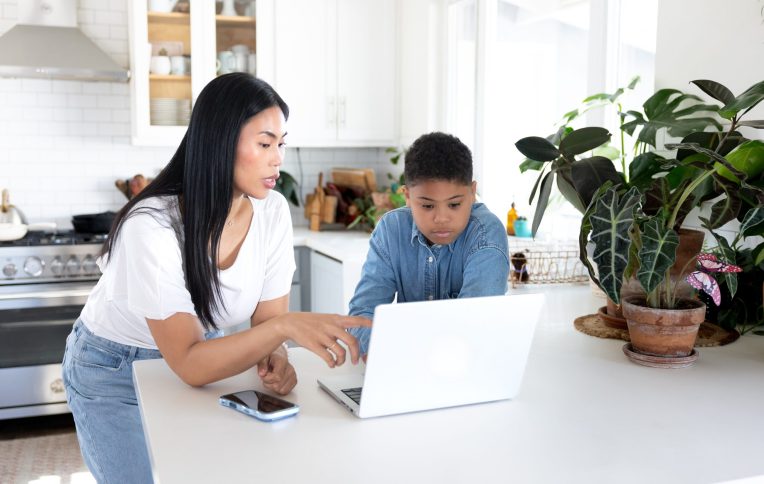
If your child attends online school, creating a dedicated learning area is one of the best ways to support success. This space doesn’t need to be large or elaborate, but it should be set up to help your child concentrate and participate fully in virtual learning.
A strong online learning space includes:
- A quiet environment with minimal distractions
- Comfortable seating
- Good lighting
- School supplies within reach
- Reliable internet access
- Headphones, if needed for virtual lessons
- A device that is charged and ready each day.
It can also help to keep chargers, notebooks, pencils, and other materials in the same place every day. When students know where everything is, they can start the school day with less stress and more independence.
6. Encourage Independence
As children grow, building independence becomes an important part of their educational success.
This is especially important in online learning, where students become an important part of their educational success.
This is especially important in online learning, where students often need to take more responsibility for managing their time, completing assignments, and communicating with teachers. Encourage your child to:
- Log in to classes or platforms on their own
- Keep track of assignments and due dates
- Set reminders
- Manage their daily schedule
- Organize school materials
- Reach out for help when they need it
These habits build responsibility and confidence that extend well beyond the classroom. Even younger students can begin practicing age-appropriate independence with support from a parent or caregiver.
7. Stay Positive About the Transition
Children often take emotional cues from the adults around them. Speaking positively about the upcoming school year can help ease anxiety and build excitement.
This is especially helpful when students are returning to an online learning routine, which may feel different from what they remember. Celebrate milestones like:
- Setting up a new workspace
- Testing technology before the first day
- Logging into the learning platform successfully
- Meeting teachers during orientation or welcome events
- Completing the first week of school
Small celebrations help reinforce a positive mindset toward learning and remind your child that they are capable of adapting to new routines.
8. Remember That Every Child Adjusts Differently
Some students jump right back into routines, while others need more time to adjust.
That’s especially true in online learning, where students may need time to get used to working independently, staying organized, and balancing screen time with breaks. Be patient as your child settles into the new school year. Consistency, encouragement, and open communication go a long way in helping children build confidence and resilience.
If your child needs extra support, check in regularly about what is working well and what feels challenging. Small adjustments to the daily routine can make a big difference.
How CalOPS Supports Students Throughout the School Year
At California Online Public Schools, we believe flexibility should never come at the expense of support.
Our students benefit from:
- Credentialed California teachers
- Personalized instruction and academic support
- Flexible scheduling for diverse learning needs
- A WASC-accredited curriculum
- Opportunities to connect with peers through virtual and in-person events
- Ongoing communication between teachers, students, and families
In an online learning environment, strong communication and structure are essential. Parents aren’t expected to teach the curriculum—instead, they partner with our experienced educators to help students stay engaged, organized, and successful throughout the year.
Start the School Year With Confidence
The transition back to school doesn’t have to be stressful. By establishing healthy routines, preparing for online learning, encouraging communication, and creating a supportive home learning environment, you can help your child begin the school year feeling prepared and confident.
If you’re looking for a flexible, personalized educational experience for your student, California Online Public Schools is here to help.
Enrollment is now open for grades TK-12. Discover how CalOPS can help your child thrive academically while providing the flexibility your daily needs. Contact us today to learn more or begin the enrollment process.